Why Python Is So Widely Used
The widespread use of Python can be attributed to its thoughtful design, extensive library offerings, accessibility for newcomers, and broad applicability.
1. User-Friendly and Highly Readable
Python’s syntax closely resembles natural language, simplifying the learning process. This is why educational institutions and coding bootcamps often choose Python as the introductory programming language.
2. Extensive Community Support
With one of the largest global communities of developers, Python provides an abundance of resources, including:
– Tutorials
– Forums
– Documentation
– Open-source projects
– YouTube tutorials
– Support on Stack Overflow
This robust community enables beginners to pick up Python more quickly compared to many other languages.
3. Vast Library and Framework Ecosystem
Python boasts an impressive range of libraries tailored for various domains, such as:
– Web development
– Artificial Intelligence & Machine Learning
– Data Science
– Automation
– Cybersecurity
– Game Development
– Internet of Things (IoT)
– Cloud computing
These libraries streamline the development process by offering readily available modules.
4. Cross-Platform Compatibility and Versatility
Python is compatible with:
– Windows
– Linux
– macOS
– Android (using frameworks like Kyiv or Bee Ware)
This versatility makes Python suitable for applications ranging from enterprise servers to small IoT devices.
5. The Go-To Language for AI and Machine Learning
Python is the preferred language for AI, machine learning, and deep learning, thanks to libraries such as:
– TensorFlow
– Pitch
– Kera’s
– Skit-Learn
– Pandas
– NumPy
As artificial intelligence emerges as a pivotal technology, Python continues to be at the forefront.
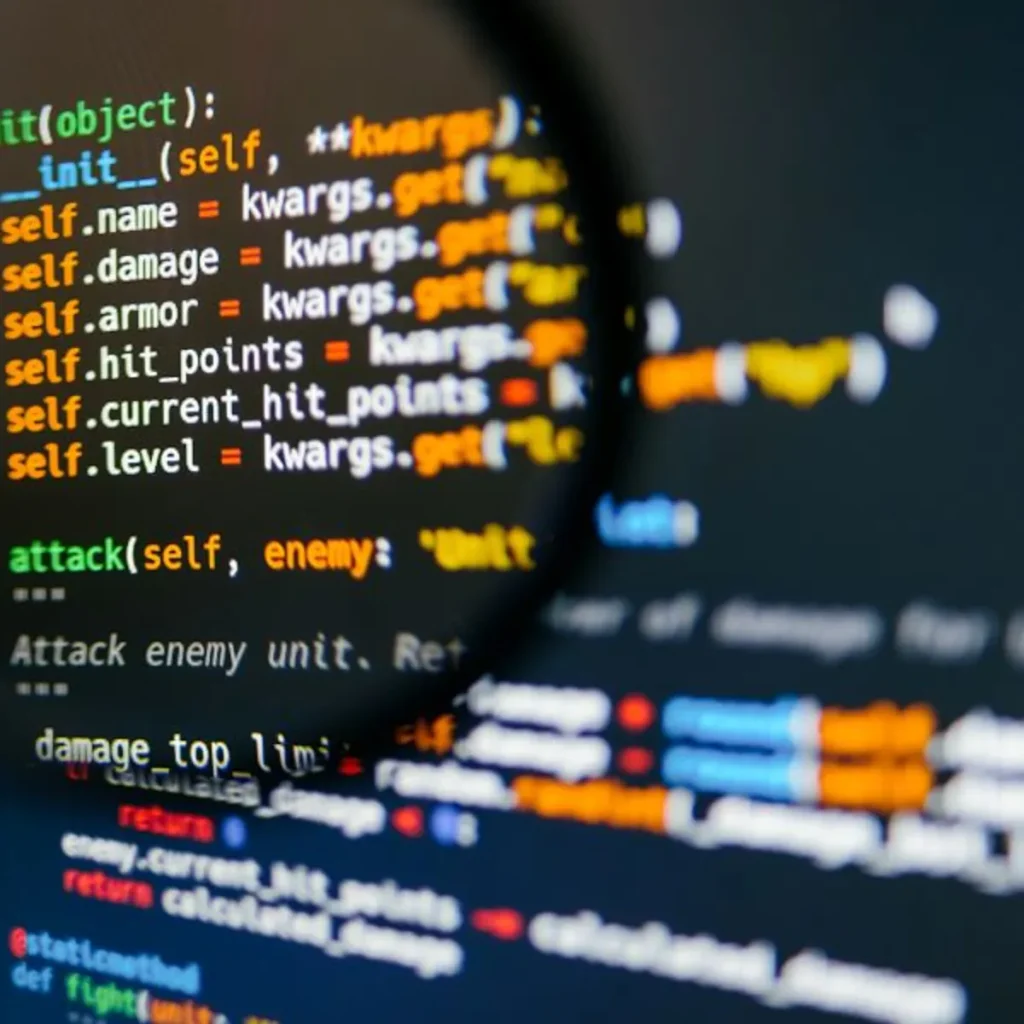
Python in Web Development
Python powers numerous high-traffic websites and applications, utilized by major tech companies like Instagram, Pinterest, YouTube, Reddit, and Spotify.
Some of the popular frameworks for web development using Python include:
1. Django
A robust framework ideal for large applications that include built-in security features, an admin interface, and database management.
2. Flask
A lightweight framework suitable for small to medium projects, offering flexibility and control.
3. FastAPI
A modern and efficient framework designed for APIs and applications using machine learning.
Python’s straightforward nature accelerates backend development, enhancing security and stability.
Python in Data Science
As data science has surged in popularity, Python has become the foundational language for this field. Its data science libraries manage tasks from data cleaning to visualization.
Notable libraries include:
– NumPy for numerical computation
– Pandas for data cleaning and analysis
– Matplotlib for data visualization
– Seaborn for statistical graphs
– SciPy for scientific computing
– Jupiter Notebook for interactive coding
Python empowers data scientists to analyze vast datasets, identify trends, and make informed business decisions seamlessly.
Python in Machine Learning and Artificial Intelligence
The high demand for Python can largely be traced back to machine learning and AI. The language features an easy-to-use syntax, strong mathematical libraries, and outstanding documentation.
Let’s dive into some popular ML & AI libraries:
– TensorFlow – Google’s go-to ML library
– PyTorch – Facebook’s favorite for deep learning
– Keras – a handy tool for neural networks
– Scikit-Learn – your source for ML algorithms
– OpenCV – the champ of image processing
– NLTK / SpaCy – the dynamic duo for natural language processing
With Python, you can create:
– Chatbots
– Recommendation engines
– Voice assistants
– Image recognition apps
– Text generation tools
– Predictive models
– Self-driving algorithms
This is why AI engineers have a soft spot for Python over other languages.
Python in Automation and Scripting
When it comes to automation, Python reigns supreme. If it’s repetitive, you can bet a Python script can handle it.
Here are some examples:
– Sending automated emails
– Renaming files
– Automating data entry
– Web scraping
– Scheduling tasks
– Processing Excel files
– Automating APIs
Automation engineers are all about Python for its speed and ease of use.
Here’s a simple web scraping example:
“`python
import requests
from bs4 import Beautiful Soup
r = requests. Get(“https://example.com”)
soup = Beautiful Soup(urtext, “html. Parser”)
print(soup.title.text)
“`
In just a few lines, Python can pull information right off the web.
Python in Cybersecurity
Python is a powerhouse in the cybersecurity realm, used for:
– Penetration testing
– Network scanning
– Malware analysis
– Security automation
– Ethical hacking tools
Frameworks like, Requests, and Para Miko make Python a go-to for crafting security tools. Tools like Metasploit, Nmap, and various Wi-Fi hacking scripts leverage Python for automation and vulnerability testing.
Python for Game Development
Python also shines in game development with libraries such as:
– Piggate – for 2D game creation
– Panda3D – for 3D games
– Arcade – for simple game projects
Beginners often start by creating small games like Snake, Flappy Bird, or Tetris to grasp programming concepts using Python.
Python for IoT and Robotics
Python has earned the trust of some of the biggest names in the business world, such as:
– Meta (Facebook)
– NASA
– Netflix
– Amazon
– Spotify
– Uber
– Dropbox
– IBM
From powering search engines to driving recommendation algorithms, Python is at the heart of critical systems across various industries.
Why Python Stands Out
1. User-Friendly
Python is well-known for being easy to learn and use.
2. Thriving Community
Every day, millions of developers contribute to its growth.
3. Remarkably Versatile
With Python, you can tackle:
– Web Development
– AI
– Data Science
– Automation
– IoT
4. Abundant Libraries
Whatever you want to create, there’s likely a Python library for it.
5. High Job Demand
Python developers are in high demand and well-compensated globally.
Drawbacks of Python
While Python is a powerhouse, it does come with a few drawbacks:
1. Slower Than Compiled Languages
Being an interpreted language, Python tends to be slower than C++ or Java.
2. Not the Best for Mobile Apps
Its support for mobile development isn’t as robust as that of Flutter or Swift.
3. Higher Memory Consumption
- Python may not be the best fit for memory-sensitive applications.
- Nonetheless, its benefits far outweigh these downsides.
- The Bright Future of Python
The future looks incredibly promising for Python. It’s set to continue leading the charge in areas like:
– Artificial Intelligence
– Machine Learning
– Deep Learning
– Robotics
– Data Analytics
– Quantum Computing
– Automation
– Cloud Computing
As AI technology advances, Python will remain a go-to language for innovators and researchers alike.
Conclusion
Python has transformed from a simple scripting tool into one of the most powerful and adaptable technologies available today. Its ease of use, extensive library ecosystem, cross-platform capabilities, and significance in emerging tech make it a must-know language for both newcomers and seasoned professionals.
Whether your goal is to become a web developer, data scientist, machine learning engineer, cybersecurity expert, or automation specialist—Python is an excellent choice. It’s beginner-friendly yet robust enough for complex system.